 Vantage
Every new GCC starts with an invisible trust deficit. No one says it aloud, but the questions are always there.
Back then, success was often measured by how efficiently we could execute work at scale, optimize costs, and maintain service levels. Today, those are merely the entry ticket. The real mandate has evolved. GCCs are now expected to influence business strategy, drive innovation, build products, nurture leadership, and shape enterprise culture.
Having spent over 18 years working across GCCs, technology organizations, and global teams — and having had the opportunity to help build and scale a GCC from the ground up — I have realized that the hardest part is rarely building the capability. It is building credibility.
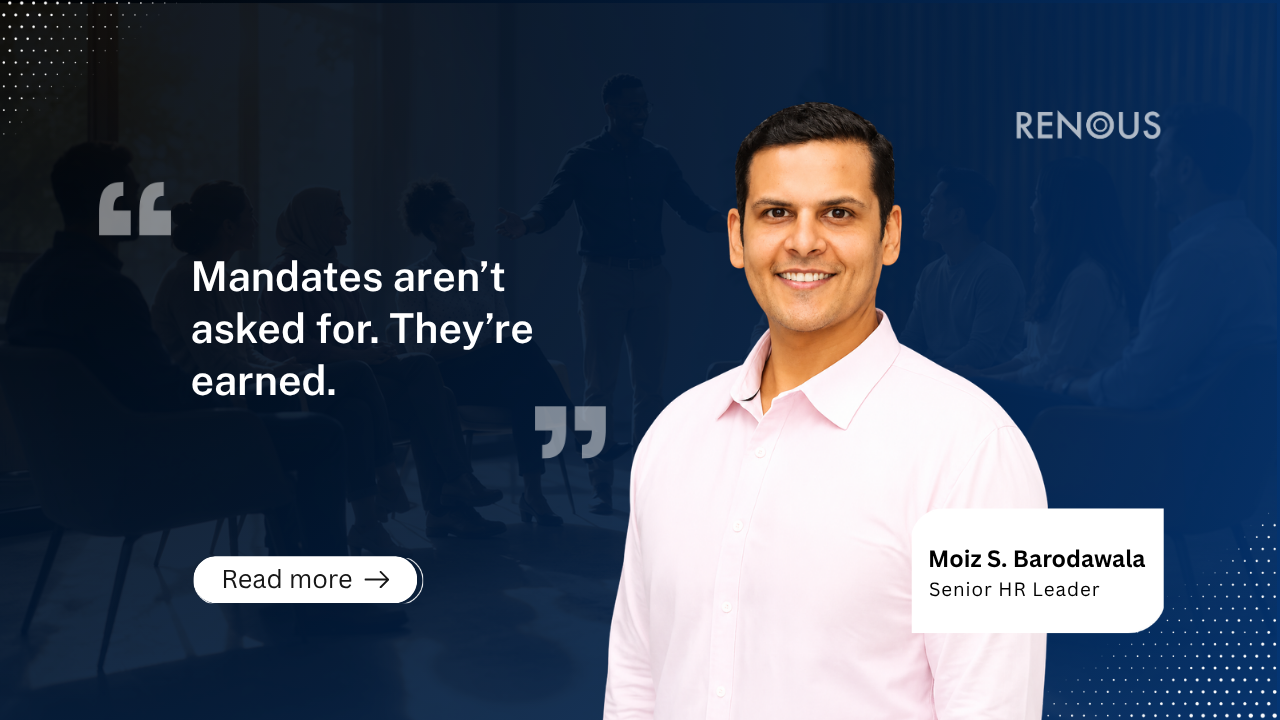
“And credibility is never assigned. It is earned.”
Every GCC Begins with a Trust Deficit
One lesson that has stayed with me is this: every new GCC starts with an invisible trust deficit.
Global headquarters rarely says it aloud, but the questions are always there:
- Can this team really own this work?
- Can they influence decisions?
- Will quality remain consistent?
- Can they think beyond execution?
No number of presentations or governance decks can answer those questions. Only consistent delivery can. When we were setting up a GCC, I initially believed our biggest challenge would be hiring talent. I was wrong.
Hiring was difficult, but building confidence among global stakeholders was far harder. Every interaction became an opportunity to either strengthen or weaken that confidence. The small things mattered — meeting commitments, communicating proactively, owning mistakes, and solving problems without waiting for direction.
Trust was built one conversation at a time.
The Charter Doesn't Expand Because We Ask for It
Many leaders ask how a GCC can move from support functions to strategic ownership. My experience has been that the charter rarely expands because we request it. It expands because the business begins to rely on us. I have seen teams that consistently exceeded expectations in one area naturally get invited into larger conversations — product strategy, workforce planning, transformation initiatives, customer experience, and innovation.
Not because someone approved a new charter. Because someone trusted them with one.
One of the most valuable lessons I learned was to stop asking, “What work can headquarters send us?” Instead, we started asking, “What business problems can we solve?”
That subtle shift completely changed the nature of conversations.
Managing Global Stakeholders Is More About Listening Than Influencing
Early in my career, I assumed stakeholder management meant having the right answers. Experience taught me something different. Global leaders are not looking for people who simply agree with them. They value partners who understand context, anticipate risks, communicate honestly, and offer practical solutions.
During one phase of rapid organizational growth, we were simultaneously managing leadership expectations, integrating new teams, and navigating uncertainty around reporting structures and organizational alignment.
There was no perfect playbook. What worked was relentless communication.
We created structured manager enablement sessions, increased leadership touchpoints, listened actively to employee concerns, and ensured that difficult questions were answered instead of avoided. Those conversations did not eliminate uncertainty overnight. But they significantly reduced anxiety and helped maintain business continuity during a period of change. That experience reinforced something I continue to believe today:
“People rarely expect leaders to have every answer. They expect them to be present, transparent, and consistent.”
Cost Arbitrage Opens the Door. Innovation Keeps It Open.
One mistake I often see organizations make is continuing to define their GCC by the savings it delivers.
Cost efficiency will always matter. But it should never become the organization's identity. The GCCs that are shaping the future are known for very different reasons. They build intellectual property, create products, influence customer experiences, and develop global leaders. They become incubators for enterprise transformation.
The conversation shifts from “How much did we save?” to “What value did we create?” That is where every mature GCC should aspire to be.
Culture Cannot Be Imported
One assumption I have seen fail repeatedly is the belief that headquarters can simply replicate its culture across geographies.
Culture does not travel through PowerPoint presentations. It travels through leadership behaviours. When building teams, I have learned that people connect far more with purpose than with policies.
Processes create consistency. Culture creates commitment.
The most successful GCCs are those that respect the organization's global values while allowing local leadership to build a culture that reflects their own people, context, and aspirations.
Trying to copy headquarters rarely works. Creating alignment does.
The Real Role of HR Leaders in a Modern GCC
One of the biggest shifts I have experienced personally has been in HR's own role within a GCC. HR leaders were once expected to support growth; today, they are expected to shape it — influencing workforce strategy, culture, and leadership development, and creating disproportionate value in the process.
My Biggest Learning
Looking back, the projects I remember most are not the ones where everything went according to plan.
They are the ones where ambiguity was constant…
- Where stakeholders disagreed.
- Where priorities changed overnight.
- Where there was no existing process to follow.
Those experiences taught me that building a successful GCC has very little to do with buildings, headcount, or organizational charts.
It has everything to do with relationships. Relationships with headquarters, business leaders, and employees. Because at the end of the day, organizations do not trust structures. They trust people.
Closing Thoughts
The next decade belongs to GCCs that stop thinking of themselves as delivery centres and start behaving like enterprise leaders. The organizations that will stand out will not necessarily be the biggest or the least expensive.
They will be the ones that consistently earn the confidence of their global stakeholders, solve business problems before they become crises, build leaders who think globally, and create value that extends far beyond cost arbitrage.
“Not helping build a GCC. Helping build the trust that allowed it to grow.”
For me, that has been the most rewarding part of this journey.