 Vantage
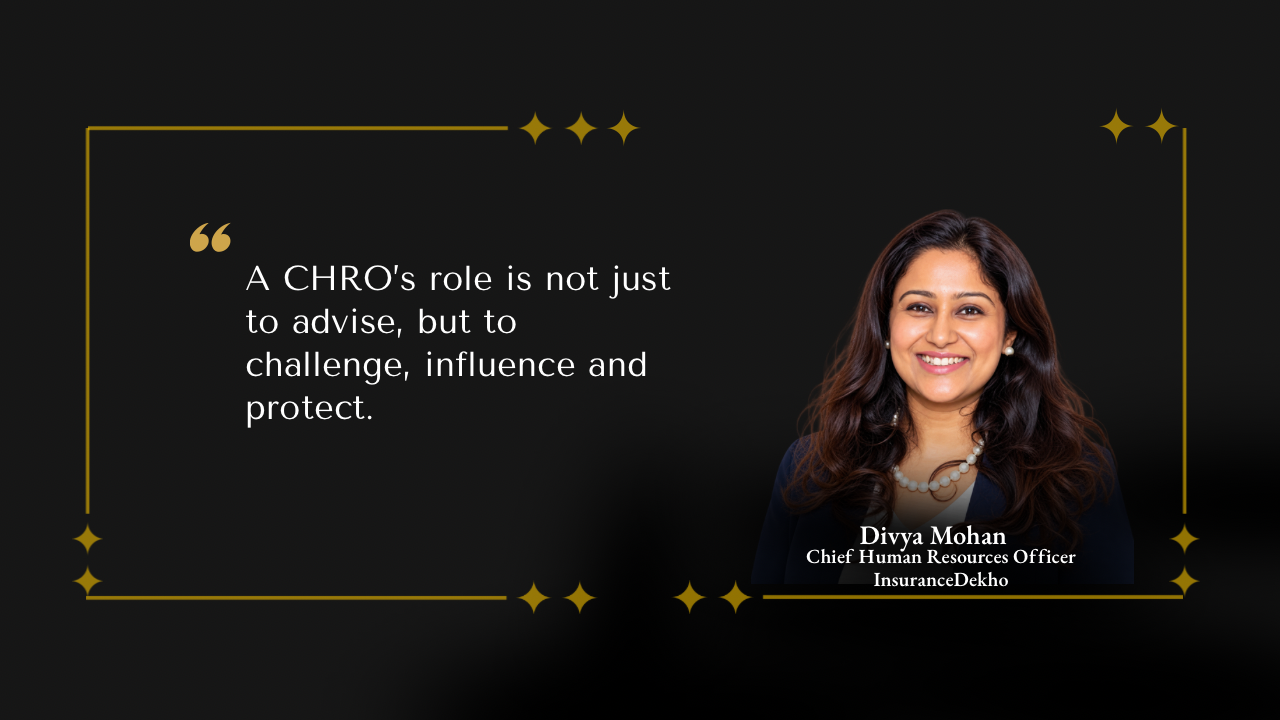
“Getting a seat at the strategy table is no longer the real conversationn for CHROs. What matters is what you do with it.”
Being present when business decisions are made is not the same as influencing them. The CHRO adds value by challenging assumptions and making the organizational consequences visible before decisions are locked in.
Once budgets and timelines are settled, many people decisions have already been made. The value of the seat lies in shaping those decisions early — and being willing to stand behind them.
01 | Understand the Business Behind the Request
A request to hire more people deserves a closer look. The team may be short of capacity. It may also be struggling with unclear responsibilities, repeated approvals or a capability gap that additional headcount will not resolve.
Making that distinction requires an understanding of how the business makes money and serves its customers. It also means spending time with the people doing the work. A dashboard can identify a pattern; conversations help explain what sits behind it.
The CHRO should then offer a considered recommendation, with its costs and practical consequences. If managers need development before an expansion, that preparation belongs in the business plan. Credibility grows when advice helps the organization make a better choice and the CHRO stays involved through implementation.
02 | Leave Room for Disagreement with the CEO
A productive relationship with the CEO needs candour. There will be occasions when the proposed pace of growth exceeds the organization's readiness, or when a successful leader's behavior is damaging the team around them.
These are difficult conversations, particularly when the business is performing well. Raising them responsibly means checking the facts, understanding the pressures involved and explaining what may happen if the issue remains unaddressed.
Disagreement also needs a workable way forward. A CHRO who recommends changing a timeline should help establish what can realistically be delivered and when. Equally, the CEO must make room for challenge before a decision becomes a commitment.
“The relationship weakens if access to the CEO makes peers reluctant to speak openly.”
Colleagues need confidence that the CHRO will handle concerns fairly and preserve confidentiality. That trust takes consistency to build.
03 | Give the Board an Honest Assessment
Board discussions require clarity about risks that can affect the organization's future. Leadership succession is one example. Naming a possible successor tells directors very little unless they also understand the person's readiness, development needs and the consequences of an unexpected departure.
A useful discussion should distinguish between someone who can provide temporary cover and someone prepared to take full responsibility. Where the organization has no credible replacement, that gap needs to be acknowledged.
There can be different views around the table. Management may be focused on immediate delivery while directors question whether the leadership structure can support the next stage. The CHRO should help examine those differences through evidence, remaining fair to the individuals being discussed. That assessment should be consistent in conversations with the CEO and directors.
Recommendations need owners and dates for review. Even candid advice loses value if the same unresolved issue returns at every meeting.
04 | Make Authority Visible in Everyday Decisions
Organizational power becomes tangible in decisions about who gets an opportunity, whose judgement counts and which behaviors attract consequences.
What has worked for us is allowing employees to apply for opportunities across the organization without interference from their existing manager during selection. Successful applicants follow the usual notice period and transition rules.
That choice matters because a manager's immediate staffing concern should not determine an employee's entire career. The organization still has to manage the transition, but the opportunity remains accessible.
The same principle applies to leadership accountability. If a manager repeatedly loses capable employees, replacing them cannot be the only response. The CHRO needs to examine the underlying problem with the business leader and agree what must change.
“Influence has substance when these decisions follow clear principles, including when doing so is inconvenient.”
05 | Protect the Institution, Not Individuals
A CHRO works closely with founders, CEOs and senior leaders, and those relationships are built on trust. But trust cannot become unquestioning allegiance.
There will be moments when what serves an individual leader may not serve the organization. The CHRO must function with the independence to recognize that distinction and say so, even when the view is inconvenient.
Personal relationships matter. Judgement matters more and the CHRO's ultimate responsibility is to the institution, not to any individual within it.