 Vantage

In short
- Senior people learned their skills by doing years of junior work.
- AI now does a lot of that junior work.
- So we are quietly losing the way we make senior people, just as we need them most.
- The good news: the old way was never great. We can design a better one.
Think about the best engineer you know
How did they get that good?
Not from a course. Not from a certification. They got good by doing years of small, unglamorous work. Fixing bugs nobody else wanted. Cleaning messy data. Building something from a vague brief, and finding out halfway through that the brief made no sense.
None of that work was very valuable on its own. But doing enough of it changed how they think. Eventually they could look at a design and know where it would break, without anyone telling them.
That instinct is what we call judgment. And nobody taught it to them on purpose. It just built up, as a side effect of doing the work.
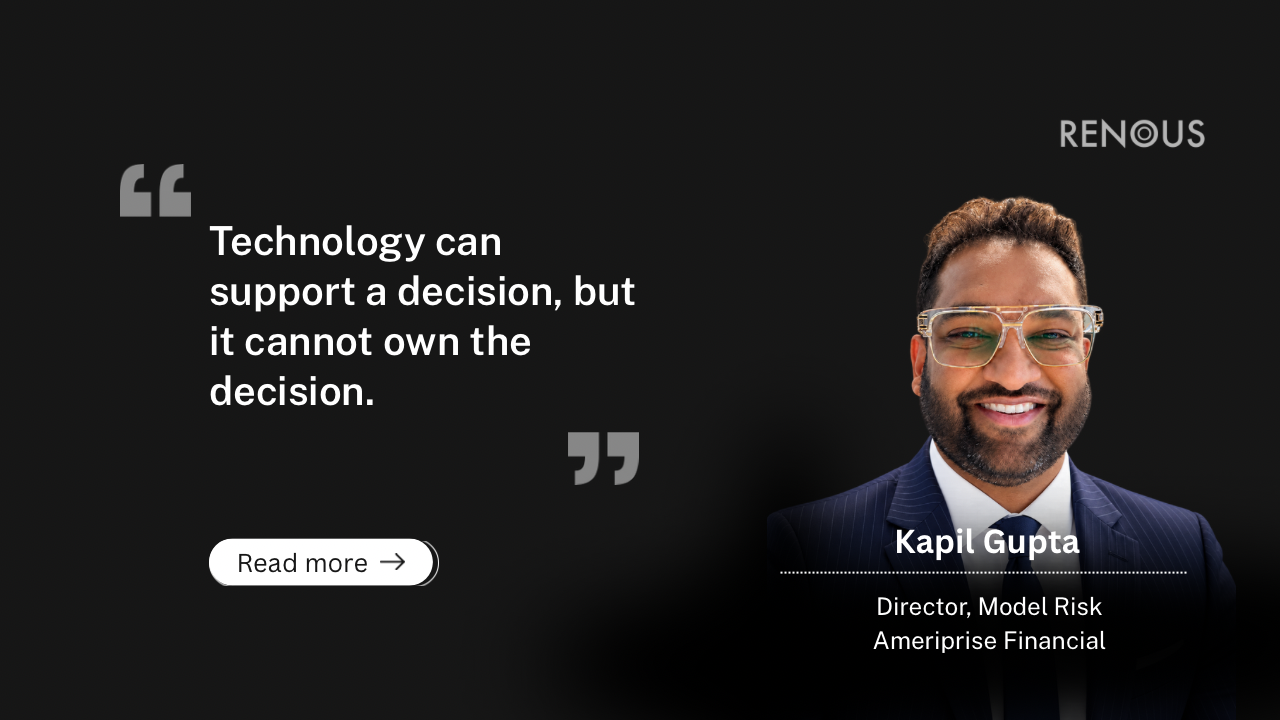
“We never trained judgment. We got it for free, from the boring work.”
AI now does the boring work
That small, unglamorous work is exactly what AI is best at.
Mostly, that's good news. Nobody misses writing boilerplate code. But it means the work that quietly turned juniors into seniors is disappearing, and very few organizations are asking what replaces it.
You can already see it in hiring. Stanford researchers found that employment for software developers in their early twenties has fallen sharply since 2022, while employment for experienced developers held steady. Companies are keeping the seniors and skipping the juniors.
In India, this is not a side issue. The technology services industry is built as a pyramid: many juniors at the base, fewer seniors at the top. Revenue keeps growing while fresher hiring has fallen by around 80% from its FY22 peak. That looks like productivity today. But a pyramid with no base eventually has no top.
“Not hiring juniors looks like a saving. It is a cost you pay later.”
The bill may arrive in five to ten years, when there may not be enough people qualified to make the important calls. By then, the people who made the saving have usually moved on.
And we need judgment more than ever
Here's the part most people get backwards.
The common assumption is that as AI does more of the work, the human job gets easier. Just check the output and approve it.
It's the opposite. Checking AI's work is harder than doing it yourself.
When a junior colleague gives you something, you know what they were asked and how they think. You can ask them why they did it that way. When AI gives you something, it looks polished and confident whether it is right or wrong.
“Fluent and wrong looks exactly like fluent and right.”
To catch the mistakes, you need to really understand how the system works. What it assumes. Where the data came from. How it might fail. That takes more expertise, not less.
So the skill we're losing the ability to develop is the exact skill AI makes most valuable.
The good news: the old way was never great
This is not a story about decline.
The old path from junior to senior was slow. It took most of a decade. It was uneven, because what you learned depended on which project you happened to land on. And plenty of capable people dropped out, because they had to survive years of dull work before getting to anything interesting.
“We are not losing a good system. We are losing an accident. And we can design something better on purpose.”
What that could look like
Make reviewing the training. If checking AI's work is now the valuable skill, juniors should do a lot of it, with a senior alongside them. It's also faster than the old way. A reviewer sees ten problems in the time it used to take to build one.
Teach how systems work, not just how to use tools. Understanding why something behaves the way it does is what makes someone good. We can teach that much earlier than we do today.
Give people ownership of cost and risk early. Knowing what's worth building, and what's safe to release, shouldn't be left for someone else to check later. It's part of doing the job well.
None of this is free. Investing in juniors costs money, in a year when not hiring them looks like an easy saving. That is the real choice leadership teams are facing.
If you're early in your career
Don't try to compete with AI on speed. That's the part being automated.
Instead, get good at what's becoming rare: looking at something and knowing what's wrong with it. Ask why things are built the way they are. Ask what happens when they fail. Review other people's work, and AI's work, far more than feels normal at your level.
“The ladder hasn't disappeared. The rungs have moved, and hardly anyone is telling you where.”
The real question
The organizations that do well from here may not be the ones with the best AI. Everyone has access to roughly the same models, and they get cheaper every quarter.
They may be the ones that made a deliberate choice about how they grow people.
“The future of work isn't really about what machines can do. It's about who will still be qualified to decide.”