 Vantage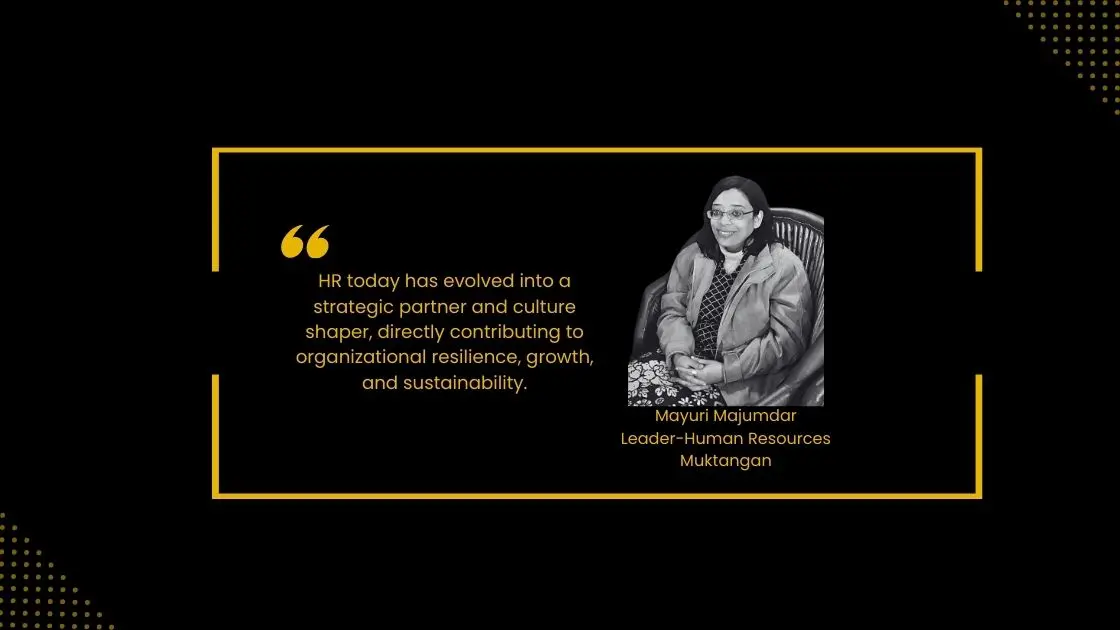
The role of Human Resources (HR) has witnessed a profound transformation over the past few decades. Once regarded primarily as an administrative and compliance-driven function, HR today has evolved into a strategic partner and culture shaper, directly contributing to organizational resilience, growth, and sustainability.
The role has been evolved; -
From Administrative to Strategic Partner
In its early form, HR was mostly focused on record-keeping,
payroll, policy enforcement, and grievance handling. Today,
HR actively partners with leadership to align people
strategy with business goals. This shift has allowed HR to
influence
innovation,
productivity,
and long-term
competitiveness.
Focus on Talent and Skills Development
In an era defined by rapid technological disruption and changing market landscapes, HR is tasked with preparing an agile, future-ready workforce. By fostering continuous learning, upskilling, and reskilling through professional development initiatives and digital platforms, HR empowers employees to grow alongside organizational needs. -
Technology Integration in HR
The integration of digital tools and automation has
transformed HR operations and has enabled HR to
dedicate more focus toward people-centric initiatives such
as leadership development, employee engagement, and
organizational culture.
Leading Change Management
As industries navigate hybrid work models, digital transformation, and evolving customer demands, HR plays a crucial role in guiding organizations through change. By preparing employees for transitions and building resilience, HR ensures smooth adaptation and alignment with new realities
Data-Driven Decision Making
With the rise of people analytics, HR now contributes to evidence-based decision-making. From predicting attrition trends to optimizing performance and shaping workforce policies, data empowers HR to add measurable value to business outcomes -
From Compliance to Value Creation
While compliance and governance remain core responsibilities, today’s HR is increasingly recognized for creating business value. By enhancing employer branding, driving innovation, and fostering sustainable practices, HR positions itself as a key enabler of organizational success.
Conclusion
The evolving role of HR mirrors the dynamic needs of modern industry. From being a support function to becoming a strategic driver of culture, growth, and innovation, HR has earned its place at the leadership table. Looking ahead, HR will continue to play a pivotal role in shaping organizations that are not only efficient and profitable but also inclusive, adaptable, and people-centered.
To all HR professionals, this is both a responsibility and an
opportunity — to be change-makers, culture-builders, and trusted
partners in the industries we serve.
About Author
Strategic HR leader with 15+ years’ experience driving organizational transformation, talent development, and inclusive policies. Recognized for rapid career growth, implementing compliance frameworks, leading 100+ recruitments, and fostering high-performing teams across reputed non-profit and educational institutions.
Find her on LinkedIn: linkedin.com/in/mayuri-majumdar-b1b5aa16
Disclaimer from Renous
The opinions expressed in this article are those of the guest author and do not necessarily reflect the views of our publication. The information provided in this article is for general informational purposes only and should not be considered as professional advice. The reader should always conduct their own research and due diligence before taking any action based on the information provided in this article.
💼 Want in? Join our free HR broadcast channels:
- WhatsApp Community: WhatsApp Channel
- SIG Global HR Leaders Community: Global HR Leaders