 Vantage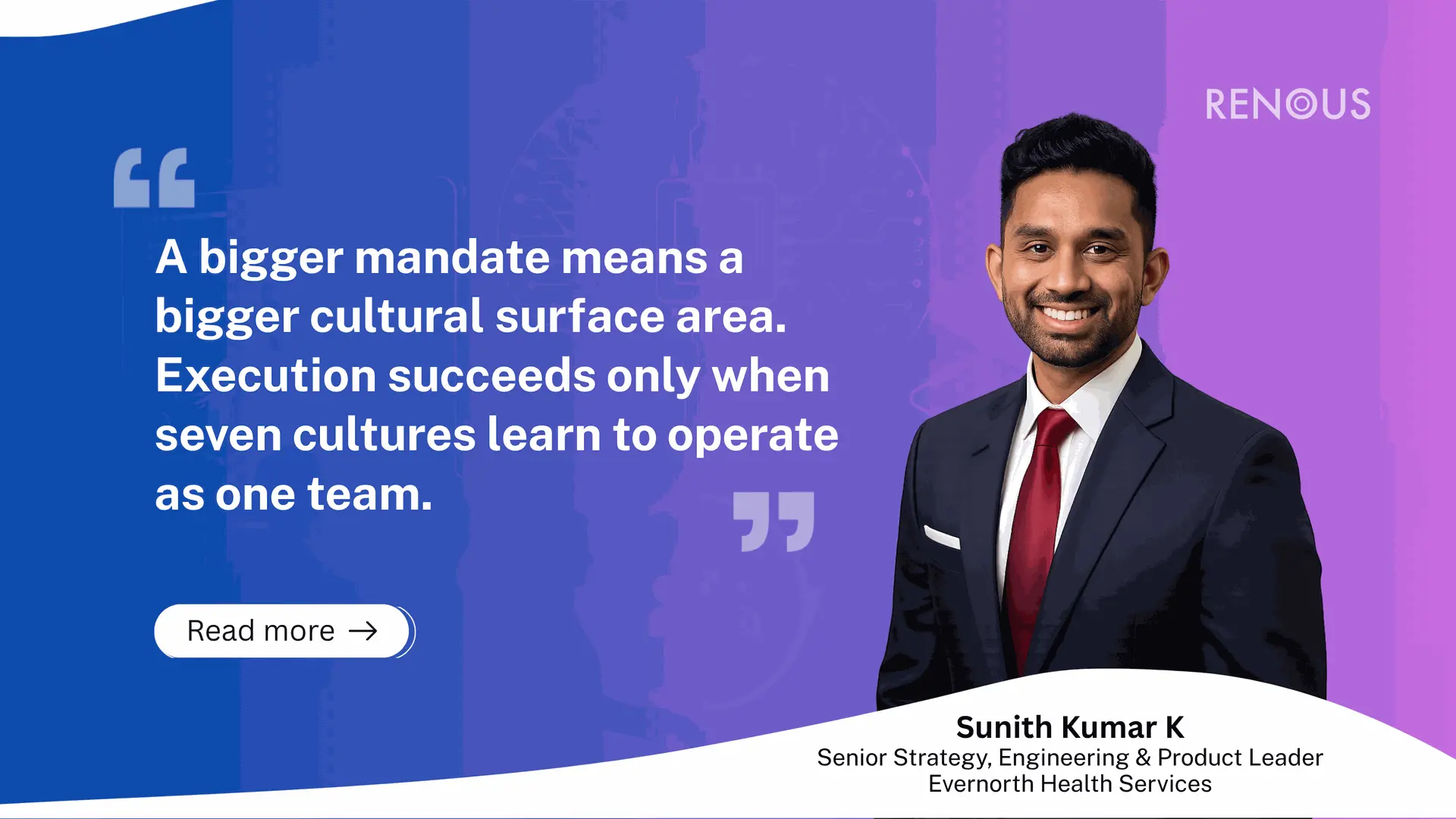
Most AI conversations at work start with the model. Which one's faster, cheaper, more accurate. That's the fun part to argue about. It's also rarely what decides whether AI works once it's in your company.
The real problems show up after the demo.
A model nails it in a pilot. Everyone's impressed. Then it hits a real workflow and things get messy. The model didn't get worse. The questions changed. Where should this actually be used? What happens when it's wrong? Who checks it, and how often?
At low volume, none of these matters. At scale, the small mistakes become your daily problem.
Most leaders treat this as an integration job. Wire up the model, build the UI, tune the prompts, improve over time. But the hard work isn't in the model. It's around it — in a business process that already has deadlines, fuzzy ownership, and a real bill when something breaks.
I've seen good models fail anyway. The answer's fine, just useless where it lands. Or it saves one person time and dumps the cleanup on someone else. Or it looks great in the pilot, then at scale it creates more exceptions than it removes.
So I think about it differently now. Deploying AI isn't about adding intelligence. It's about deciding who's responsible for what. Somebody has to define "good enough." Somebody has to say what gets automated, what stays under review, and what never gets handed off without a human in the loop. That's not a model decision. It's a management one.
That's the part people miss. This isn't an engineering problem. The teams that win won't have the best models. They'll have clearer workflows and better judgment about when to trust the system and when not to.
So the job changes. You can't just watch system performance. You have to think about decision quality, what review actually costs, how the workflow is built, and whether your people trust the thing enough to use it. You're running AI as part of the operation, not bolting it on the side.
Honestly, this is the interesting part. AI isn't just changing how work gets done. It's forcing us to be explicit about how work should be governed — where judgment belongs, what gets checked, who owns the result. The boring stuff turns out to be the leadership stuff.
Get this right early and you get more than a productivity bump. You get systems people trust. Trust outlasts a good demo. Every time.
About Author
Sunith Kumar is an engineering and product leader working at the intersection of AI, strategy, and how organizations operate. His focus is on a recurring idea: that AI adoption is mostly an organizational and operating-model problem, not a model or capability problem. He writes about building real systems, leading technical teams, and the gap between what AI can demonstrate and what it actually changes.
Find him on LinkedIn: Sunith Kumar K
Disclaimer from Renous
The opinions expressed in this article are those of the guest author and do not necessarily reflect the views of our publication. The information provided in this article is for general informational purposes only and should not be considered as professional advice. The reader should always conduct their own research and due diligence before taking any action based on the information provided in this article.