 Vantage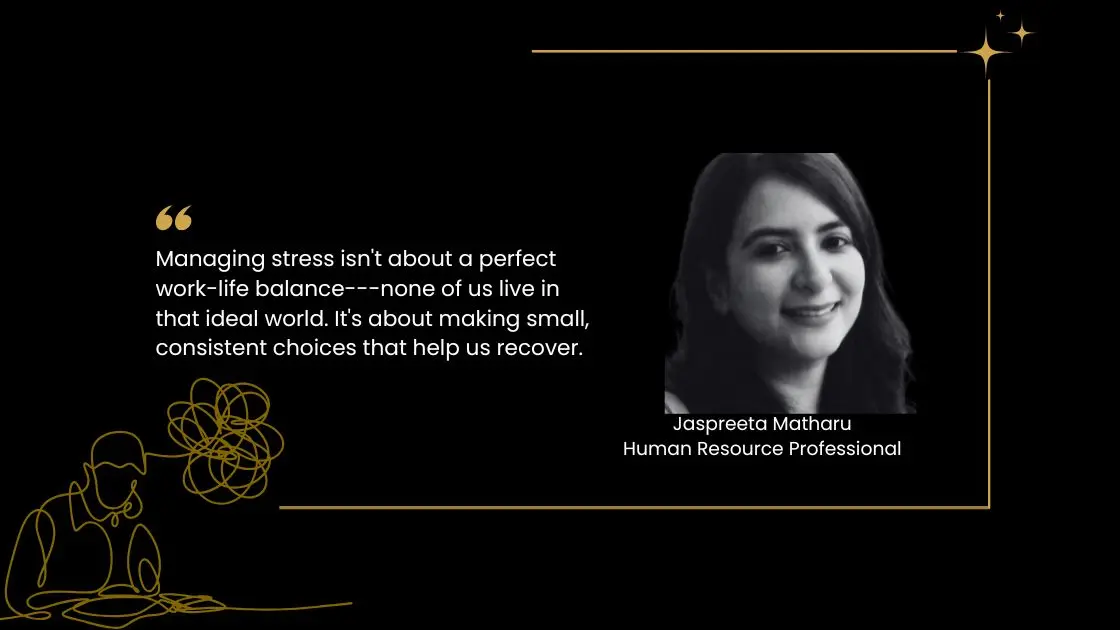
Work today often feels like an endless sprint. Meetings stacked on top of each other, emails multiplying the second you clear your inbox, and notifications that make switching off feel impossible. A bit of stress can push us to get things done—but too much, for too long, leads to burnout. And I’ll be honest: even while writing this, I nearly missed lunch at my own workplace yesterday. That’s how real this challenge is.
The Reality of Everyday Stress
Stress doesn’t always announce itself loudly. More often, it’s in the little things: grabbing a coffee instead of a proper breakfast, skipping lunch because the day ran away from you, or lying awake replaying tomorrow’s to-do list. These aren’t failures—they are signals that balance is slipping.
Boundaries That Feel Doable
We often hear about “setting boundaries,” but it’s not as simple as shutting the laptop at 5 pm. Work doesn’t always allow for that. What is doable is finding small lines we can hold. For example:
- Deciding not to check emails while eating dinner.
- Taking 2 minutes between calls just to stand up and breathe.
- Using your commute to fully switch off instead of squeezing in one more work task.
These may feel small, but they add up—and they’re more realistic than pretending we can always log off on time.
The Power of Small Breaks
Not every workplace makes it easy to step away. But even micro-breaks count. A quick stretch at your desk, walking to refill your water, or taking a genuine lunch (not eating hunched over your keyboard) can reset your mind and body. The point isn’t perfection—it’s protecting little moments of recovery where you can.
Conversations That Don’t Feel Risky
Talking about stress shouldn’t feel like admitting weakness. The more we normalize saying, “Today’s been heavy” or “I need a short break”, the more workplaces shift. Leaders don’t always need to solve it; often, listening and showing empathy is enough.
What Organizations Must Do
Here’s the truth: individuals can only do so much. Workplaces need to back this up with real action—reasonable targets, flexibility, proper lunch breaks, and wellness resources that are actually used, not just advertised. I’ve seen teams thrive when they know wellbeing isn’t lip service—it’s baked into the way work is designed.
Finding Balance, Not Perfection
Managing stress isn’t about a perfect work-life balance—none of us live in that ideal world. It’s about making small, consistent choices that help us recover. Whether it’s actually stepping away for lunch, taking that walk, or voicing when you’re stretched, these steps build resilience. And when organizations actively support them, it stops being just an individual effort—it becomes part of the culture.
About Author
Jaspreeta Matharu is an experienced HR professional with expertise in people development, organizational culture, and leadership coaching. Passionate about workplace wellbeing and mental health, she champions inclusive, resilient, and human-centered workplaces where individuals and organizations thrive together.
Find her on LinkedIn: linkedin.com/in/jaspreeta-matharu-a557a913
Disclaimer from Renous
The opinions expressed in this article are those of the guest author and do not necessarily reflect the views of our publication. The information provided in this article is for general informational purposes only and should not be considered as professional advice. The reader should always conduct their own research and due diligence before taking any action based on the information provided in this article.
💼 Want in? Join our free HR broadcast channels:
- WhatsApp Community: WhatsApp Channel
- HR Events: Industry Leaders Confluence