 Vantage

What a Reputation Is Made Of
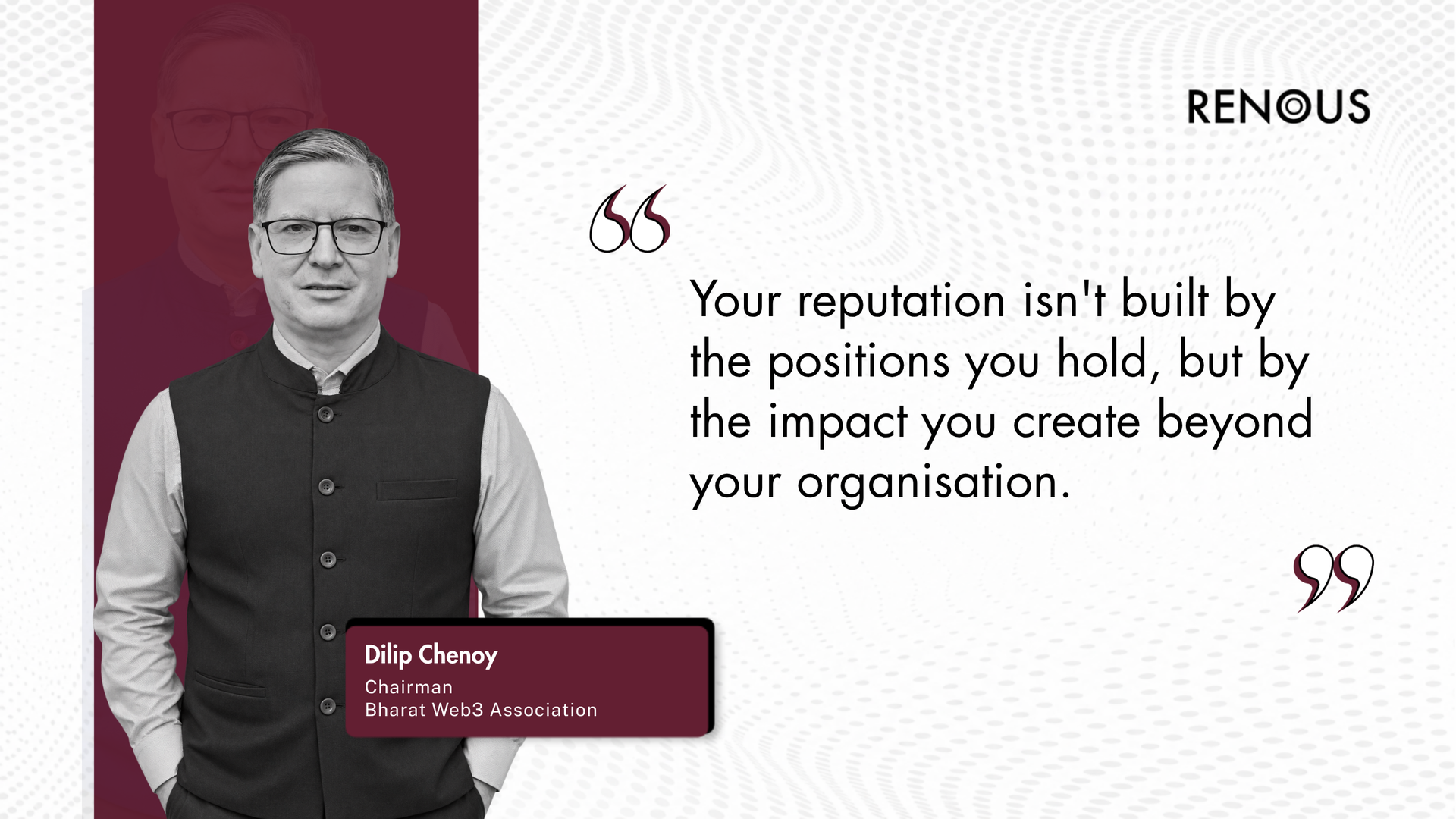
A real professional reputation isn’t just about the jobs you’ve held or the organizations you’ve led. It’s something people outside those organizations notice too. It shows up in the causes you care about, the ideas you share, the people you choose to work with—and, most of all, in how you act.
Looking back, I’ve spent more than four decades working across organizations, each with its own mission. My journey started at the CII as an executive at the bottom and I was Deputy Director General, when I moved to lead SIAM as Director General. I later ran NSDC as CEO and Managing Director, served as Secretary General of FICCI, and now I’m Chairman of the BWA.
With every new job, I tackled different challenges, worked with new people, and took on more responsibility. Yet through all these changes, a few principles kept me grounded. They shaped both what I contributed and the reputation I earned.
Looking Beyond the Obvious
One thing that shaped my approach is looking beyond the obvious. It’s about noticing new opportunities or problems before they’re on everyone’s radar.
At CII, we focused on issues that later became crucial for Indian industry: quality, environmental management, food processing, IT, and telecom. Industry needed a stronger collective voice in all of these areas.
For example, our work in telecom—shaping national policy, pushing for regulatory reforms, expanding broadband—meant bringing together industry leaders, government, and others who mattered. The same was true when we worked on FAIDA in food processing and ASCON’s work on agriculture, manufacturing, and services.
At SIAM, our focus turned to environmental standards, vehicle safety, better testing infrastructure—helping India step onto the world stage in automotive manufacturing. The Automotive Mission Plan and NATRIP both grew out of careful, consistent collaboration between industry and government.
“The common thread? We spotted what needed to be fixed or built, brought the right people together, and hammered out realistic plans.”
Letting Others Take the Spotlight
A lot of this happened quietly. Presidents and committee chairs were the visible faces, as they should be. Backstage, my colleagues and I handled the research, wrote the proposals, put together the presentations—everything that let those public leaders shine.
“I learned that making others successful is just as rewarding as being in the spotlight yourself.”
Asking What Is Good for India
Another basic question I always asked: is what we’re pushing for actually good for India?
Sure, industry groups must represent their members. But their credibility—especially with government or other partners—depends on showing they care about the country as a whole, not just their own backyard.
At CII, our job was to create an environment by which Indian industry could become more competitive. At SIAM, we worked toward matching international standards, expanding manufacturing, and creating jobs here at home.
The Sectors Change, the Goal Stays
People found it strange when I left the booming auto sector to join NSDC in 2010. After all, skill development wasn’t a top national priority yet. For me, it was clear: India’s growth goals depended on having a skilled workforce. NSDC was a way to pull industry into the process—to get private investment and training capacity in sync with national needs.
At FICCI my focus was on improving the business climate and getting industry and policymakers to actually talk to each other. The journey during COVID was really challenging. With BWA now, we’re pushing for responsible innovation in Web3, better regulation, and consumer protection.
“The sectors change, but the bigger goal stays the same.”
In the end, I think professional credibility lasts when people see that you’re making decisions based on something bigger than what benefits your own organization or you right now.
Offering Solutions, Not Just Problems
I have sat through more meetings than I can count where everyone circles around the problems. Sure, that’s the first step. But the real value comes from suggesting what we can actually do about it.
Industry bodies cannot directly set policy. Their influence comes from smart analysis, building consensus, and making practical recommendations.
At CII, we put forward proposals, mapped out frameworks, and designed programs that industry and government could seriously consider. At SIAM, this looked like hammering out common standards and long-term plans, plus upgrading industry testing.
Not Every Idea Moves Ahead
NSDC was a whole different challenge: building ways for private trainers, employers, financiers, and the public sector to work together and scale up skills development. Building an end to end IT based solution that built credibility.
Not every idea moved ahead. Some took years of tweaks and tough conversations. Some showed up later, changed from our original proposal.
Honestly, it was never about personal credit. If an idea became reality—even in a different form—it was worth it.
“Over time, people respect those who roll up their sleeves, offer workable solutions, and follow through.”
Punctuality and Preparation
Two habits I picked up early at CII stayed with me: punctuality and solid preparation.
The secretariat supports the elected leaders. If we’re late or half-prepared, we make the President or committee head look bad.
“Punctuality isn’t just about discipline—it’s about respect.”
Seeing Things From Other Perspectives
Preparation means more than knowing your own side. Before you meet a government official, understand the constraints they face. Before talking to an industry leader, know what commercial pressures they’re under. Entrepreneurs or trainers are usually wrestling with day-to-day problems—maybe more than they care about policy right then.
Solid prep means seeing things from different perspectives and preparing for the tough questions.
It also means listening well, being honest about what’s possible, and delivering on your word.
These sound like basic courtesies, but do them consistently and people start to trust you.
Advice for Younger Professionals
If I had to give one piece of advice to younger folks, it’d be this: focus on issues that matter on their own, not just what lands on your desk. Keep learning, stay curious, work well with others, and take real pride in what you do.
What Sticks Over Time
Leadership roles, organizations, priorities—they all change. People come and go.
But what sticks is whether people trust your judgement, integrity, and willingness to get involved.
“In my book, that’s how you build a reputation outside the company walls—not by chasing recognition, but by stacking up useful work, steady behavior, and showing you’re in it for something bigger than yourself.”