 Vantage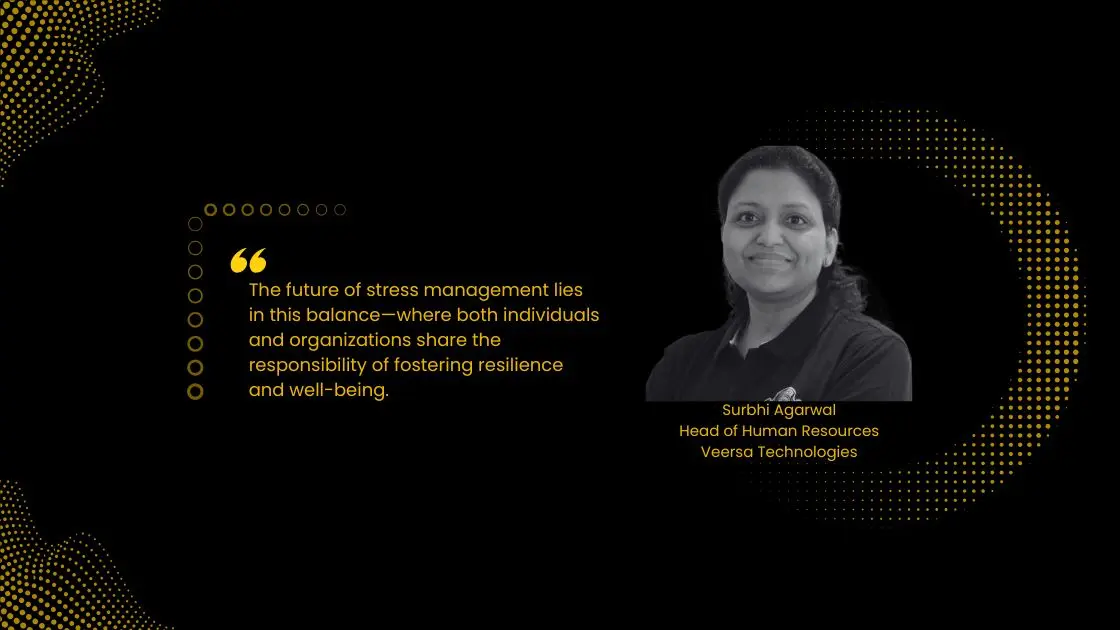
Stress has become one of the top contributors to emotional burnout and chronic fatigue for individuals across all age groups. Modern work environments, rapid technological change, and hybrid or remote work realities all add layers of complexity to daily life, increasing stress exposure. Stress not only impairs mental clarity and decision-making but also negatively affects physical health, productivity, sleep, immune function, and relationships.
Chronic stress is closely linked to higher rates of anxiety, depression, insomnia, cardiovascular problems, and weakened immunity. Left unmanaged, it can spiral into burnout—a major concern for remote workers and high-achieving professionals. The pressure to multitask, constantly respond to digital demands, and navigate uncertainty about job stability intensifies these effects.
Current research emphasizes the effectiveness of combining science-backed and holistic approaches to tackling stress:
- Mindfulness and Meditation: Mindfulness and meditation are considered to be the top technique which can reduce cortisol levels by up to 25% over eight weeks, improve sleep, and boost emotional resilience.
- Physical Exercise: Regular exercise releases endorphins and reduces stress hormones, with activities like yoga, running, and strength training recommended by mental health experts.
- Journaling: Writing down worries and thoughts helps process emotions and recognize persistent stress triggers.
- Quality Sleep: Prioritizing rest rebuilds mental and physical reserves, while poor sleep exacerbates stress and fatigue.
- Breathing Exercises: Quick, simple techniques lower heart rate and calm the mind, making them practical for busy professionals.
- Healthy Boundaries: Setting limits with technology and work is essential for remote workers; unplugging regularly supports recovery and balance.
- Professional Support: Online counseling and therapy are increasingly accessible, blending expert guidance with personal practice to build resilience and promote recovery.
In my current Organization, managers and HR create safe spaces by checking in, adjusting workloads, and ensuring clear priorities while offering flexibility through adjusted hours and breaks. Leaders model healthy boundaries and normalize open conversations on well-being, fostering a supportive culture where employees feel valued and thrive.
Looking Ahead
Stress management will remain a vital skill for professional and personal success, especially as digital and workplace transformations continue. Organizations like Veersa show that when companies take a people-first approach, individuals are better equipped to handle challenges, avoid burnout, and thrive. The future of stress management lies in this balance—where both individuals and organizations share the responsibility of fostering resilience and well-being.
About Author
Surbhi Agarwal, Head of HR at Veersa Technologies, brings over 18 years of strategic HR leadership in technology and consulting sectors, with a proven track record of scaling organizations and building strong talent functions from the ground up. She has played a pivotal role in helping startups and high-growth companies establish robust HR frameworks while driving talent development, employee engagement, and organizational transformation.
Find him on LinkedIn: linkedin.com/in/surbhidagarwal
Disclaimer from Renous
The opinions expressed in this article are those of the guest author and do not necessarily reflect the views of our publication. The information provided in this article is for general informational purposes only and should not be considered as professional advice. The reader should always conduct their own research and due diligence before taking any action based on the information provided in this article.
💼 Want in? Join our free HR broadcast channels:
- WhatsApp Community: WhatsApp Channel
- HR Events: Industry Leaders Confluence